News - Global

The Struggle for Adaptation: Universities Facing Financial and Structural Challenges Resistance to Change: Bureaucratic Hurdles and Institutional Barriers The Path Forward: Why Universities Must Embrace Flexibility for Survival
Read More
The Rise of AI in Universities: Trends and Student Adoption Challenges of AI: Digital Inequality, Ethics, and Institutional Responses The Path Forward: How Universities Must Adapt to AI Integration The Rise of AI in Universities: Trends and Student Adoption The pervasive adoption of AI in higher education is transforming student learning, with 92% of students currently utilizing AI tools. However, challenges persist in the areas of academic integrity, ethical use, and accessibility disparities.
Read More
Strategies for Sustainability: The Future of Australian Universities International Student Trends: A Change in Global Preferences Funding Reforms: Opportunities and Obstacles <
Read More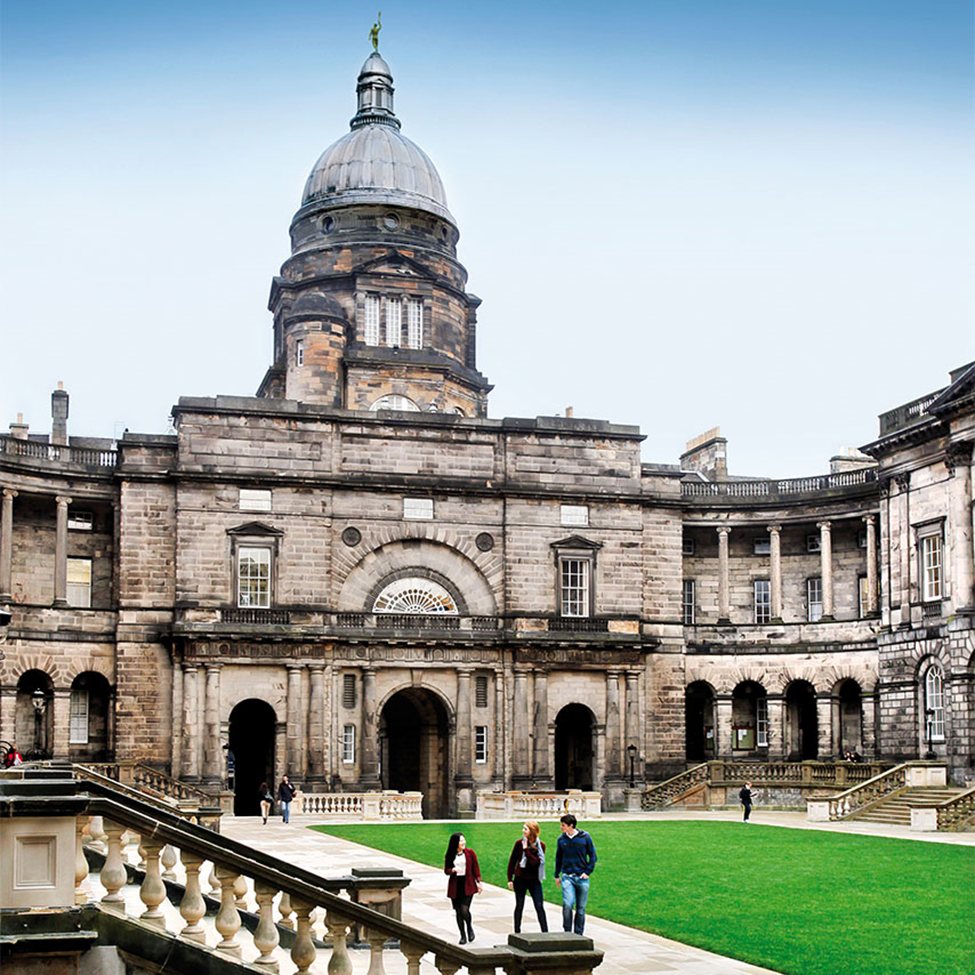
The Future: Institutional Accountability and Policy Reforms The Marketization of Higher Education and Financial Turmoil The Human Cost: The Erosion of Culture, Declining Student Support, and Job Cuts
Read More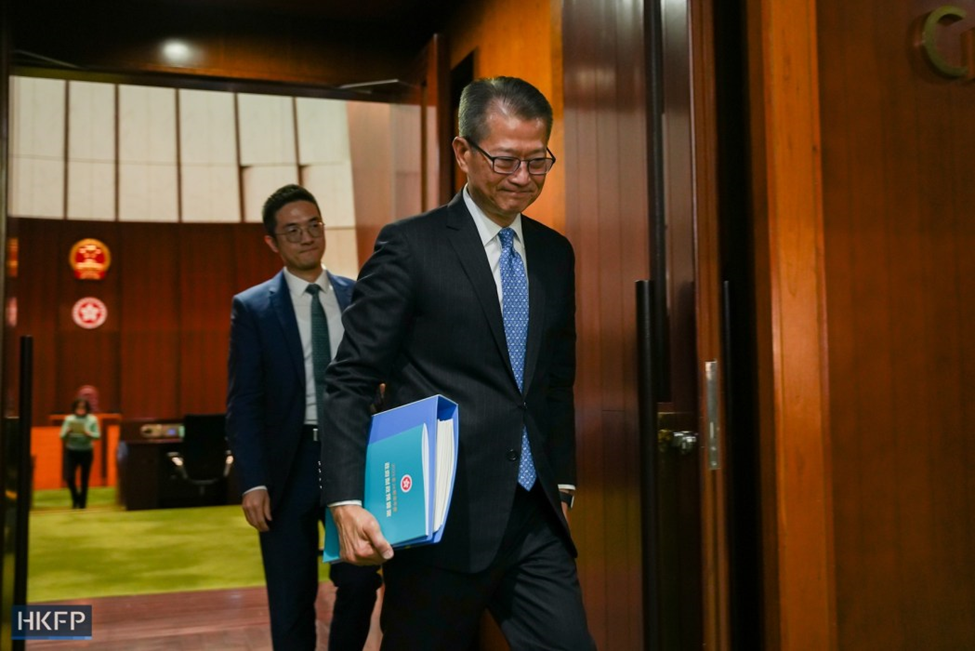
Overseeing the Fiscal Deficit and Revenue Generation Investing in Artificial Intelligence and Future Industries Higher Education: Maintaining Excellence Despite Budget Cuts Source:
Read More



A New Era of Collaboration: Japan's Academic Outreach to Africa Overcoming Obstacles: Cultural Distinction, Language Barriers, and Financial Limitations Japan's Global Influence and the Impact on Africa's Development
Read More
Enhancing Accessibility Through Local Learning Centers, Successful Implementation of Micro-Campuses, Trends Driving the Expansion of Micro-Campuses
Read More
Universities are experiencing a precipitous decline in public confidence on a global scale. Institutions of higher education, which were once regarded as centers of innovation, knowledge, and societal progress, are currently being scrutinized by the general public, media outlets, and political leaders.
Read More
Academic publishing is currently at a critical juncture. The imminent transformation of scholarly communications is indicated by the expiration of significant Transformative Agreements (TAs) by the end of 2025, the withdrawal of numerous UK universities from Elsevier's Read-and-Publish agreements, and the increasing criticism of the conventional subscription-based model.
Read More
Collaboration in research has always been a key component of scientific advancement, encouraging creativity and cross-border knowledge sharing. However, because of economic competition, national security issues, and geopolitical tensions, research collaborations with China have grown more complicated in recent years. Countries across the world, but especially the US and Europe, are reevaluating their research partnerships with China, balancing the advantages of scientific collaboration against the hazards.
Read More
Sociologist George Ritzer created the word "McDonaldization" to describe how concepts from fast-food chains—efficiency, calculability, predictability, and control, or ECPC—have permeated many aspects of society. Teaching, learning, and administration are undergoing a fundamental revolution as a result of these concepts being increasingly embedded in higher education in the age of artificial intelligence (AI).
Read More
In 2009, South Korea implemented a tuition fee moratorium that was effectively mandatory for universities. Institutions that attempted to increase fees were subject to financial penalties to enforce this policy. The University of Seoul implemented the "half-price" tuition policy in 2012, which served to further solidify this policy. The tuition fee freeze and halving significantly reduced the university's annual cost to approximately 2.4 million won ($1,820), which is under the jurisdiction of the Seoul Metropolitan Government.
Read More
Many countries have implemented policies to attract international students for their financial and intellectual contributions, as international education has become a propelling force in global mobility and economic strategy. This has resulted in the emergence of exploitative recruitment agencies and fraudulent institutions that exploit the demand for overseas education, despite the fact that it presents valuable opportunities for both students and host nations.
Read More
A significant change in how Chinese colleges view their own capabilities has been sparked by DeepSeek's rise to prominence as a global AI powerhouse. Chinese colleges are now proving that they can generate top-tier innovators who compete at the highest levels—without having to leave the country—instead of being perceived as needing to send their brightest minds abroad for further education and research possibilities.
Read More
The UK's higher education sector, notably its STEM (Science, Technology, Engineering, and Mathematics) departments, confronts significant worries due to recent adjustments in immigration regulations. Despite warnings from academic and governmental agencies, the UK government has proven reticent to change these rules, even though there is a clear acknowledgment of their potential harmful impact on STEM provision.
Read More

Canada's higher education institutions are facing significant challenges as the international student market, a critical revenue stream for many universities, suffers a series of setbacks. The financial fallout and no-show epidemic hits Canadian universities as many international students are considering other options such as the UK and US. Canada has lost its global appeal to many international students as they are searching for better prospects elsewhere.
Read More